
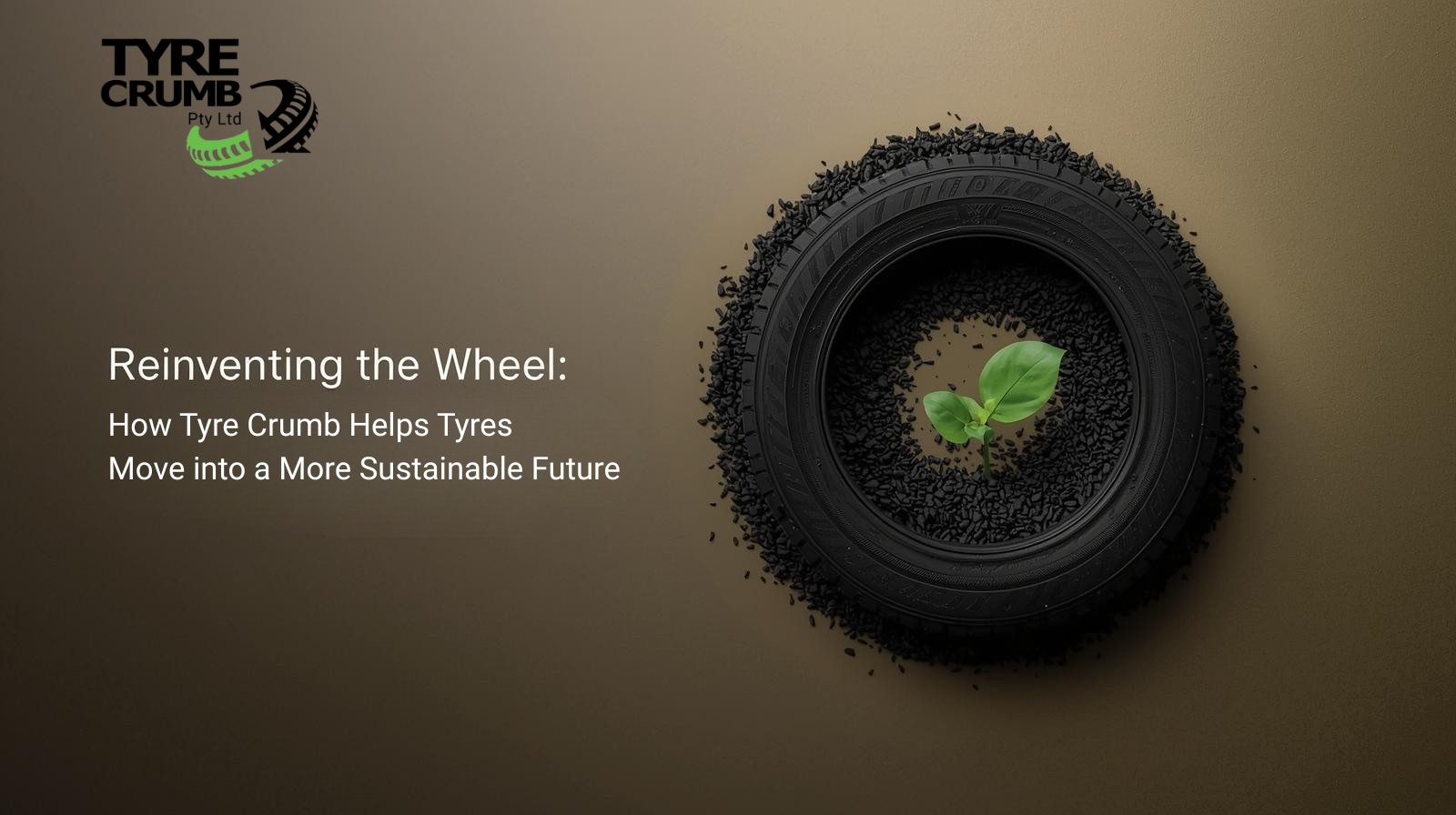
Old tyres often leave the road long before their material stops affecting the environment. Once they reach the end of their driving life, they tend to linger in stockpiles, storage yards, and unmanaged spaces for years. Their durability becomes a challenge, creating long-term waste problems that rarely disappear on their own.
This is where Tyre Crumb’s operations makes a defining difference. Through steady innovation and practical processing systems, Tyre Crumb turns end-of-life tyres into reliable material for roads, playgrounds, sporting surfaces, and industrial projects. The approach isn’t loud or flashy, but it reshapes how tyre waste fits into a sustainable future while advancing rubber recycling practices.
Tyre Crumb transforms discarded tyres into valuable crumb rubber by:
This process reduces landfill waste, supports circular production, and helps industries adopt environmentally responsible materials through rubber recycling.
For a full view of available products derived from this effort, the Products page showcases crumb rubber grades and related materials.
End-of-life tyres are built to survive heavy use, heat, and friction. This durability makes disposal difficult. Large piles can create fire hazards, attract pests, and release chemicals into soil and water. Landfills struggle with tyres because they trap air, rise to the surface, and take up valuable space.
Despite these challenges, tyres contain valuable material. Steel, fibres, and rubber can be recovered through rubber tyre recycling and reshaped for new purposes. What once looked like waste becomes an asset.
At Tyre Crumb facilities, tyres move through a sequence of processes designed to keep valuable components in circulation:
Collection and sorting
Tyres arrive from various sources – commercial operators, recycling depots, and transport services.
Mechanical shredding
Large tyres are broken down so each material becomes accessible.
Steel removal
Strong magnets separate steel, which then travels into metal recycling streams.
Fibre extraction
Fibres are removed and prepared for reuse.
Rubber refinement
Remaining rubber passes through grinders and screens, becoming crumb rubber in multiple sizes.
The result is clean, consistent crumb rubber ready for use across many industries. Nearly every part of the tyre takes on a new role, supported by regulated tyre recycling processes.
Additional details about the applications of these materials can be found on Tyre Crumb’s Applications page.
Crumb rubber works its way quietly into many everyday settings, including:
These applications benefit from rubber’s natural flexibility and resilience. As more sectors adopt recycled material through rubber recycling, tyre waste moves away from being an environmental burden and toward being a practical resource.
For inquiries about custom solutions or volume supply, the Collections & Quote page facilitates direct requests.
A circular economy depends on materials that can be reused or repurposed repeatedly. Tyre‑derived rubber fits this model well. It reduces the need for virgin rubber, cuts down landfill load, and helps industries lower environmental impact without sacrificing performance. Effective tyre recycling ensures that valuable materials remain in continuous use, supporting the circular economy.
Tyre Crumb’s consistent production of high-quality recycled rubber supports long-term sustainability goals in construction, manufacturing, and community infrastructure. It demonstrates that waste materials can sit at the centre of new, environmentally conscious solutions.
As technology improves, so do the possibilities for rubber recycling. New equipment can produce cleaner, finer crumb rubber. Advances in material science allow it to blend more seamlessly into engineered surfaces, synthetic fields, and specialised flooring systems.
Researchers continue exploring additional uses such as drainage layers, road‑safety features, and impact‑reduction systems for heavy-traffic areas. Each new application pushes recycled materials further into mainstream use.
Tyre Crumb contributes to this future by ensuring a dependable supply. Consistency encourages industries to rely on recycled products with confidence, supporting long-term sustainability habits and wide-ranging application flexibility.
Tyres begin life on the road, but a worn tread doesn’t have to mark the end of their usefulness. Through responsible tyre recycling and well‑managed processing, the same material can support community spaces, sports performance, safer roads, and industrial resilience.
Tyre Crumb plays an important role in keeping tyre waste out of landfills and guiding these materials back into productive use. By giving tyres a second purpose, the company helps reduce environmental pressure while supporting industries that rely on strong, flexible, and sustainable materials.
A tyre’s journey doesn’t stop when driving ends. It simply shifts into a new role – one that contributes to a cleaner, more circular future.
What is tyre recycling?
Tyre recycling is the process of breaking down end-of-life tyres so their rubber, steel, and fibres can be reused in new products and infrastructure projects. Effective tyre recycling keeps valuable resources in circulation.
How is crumb rubber used?
Crumb rubber supports roads, playgrounds, sports fields, industrial flooring, and vibration‑reducing systems. Clean, consistent material produced through rubber recycling enables wide commercial use.
Why is rubber tyre recycling important?
Rubber tyre recycling reduces landfill pressure, lowers demand for virgin materials, and limits risks linked to unmanaged stockpiles.
Does recycled rubber maintain quality?
Recycled rubber retains durability and impact‑absorbing performance when processed through modern tyre recycling systems.
How does tyre recycling support sustainability?
Modern rubber recycling supports sustainability by reducing landfill load, conserving raw materials, and providing lower‑impact alternatives for manufacturing and infrastructure.
Give tyres a second life and turn waste into valuable resources. Connect with Tyre Crumb today to explore recycled rubber solutions for your projects, request a custom quote, or discuss tyre collection services.






Comments are closed