

Searches for local tyre recycling often aim to understand how old and scrap tyres are managed responsibly. In Australia, tyre recycling operates through regulated systems that divert tyres from landfill, reduce environmental risks, and recover valuable materials from end-of-life tyres. This article explains how tyre recycling
Understanding Australia’s Tyre Circularity Challenge Australia generates more than 537,000 tonnes of end-of-life tyres every year. Tyre circularity refers to how these tyres are collected, recycled, and converted into reusable materials instead of being sent to landfill or stored in unmanaged stockpiles. Managing this volume presents
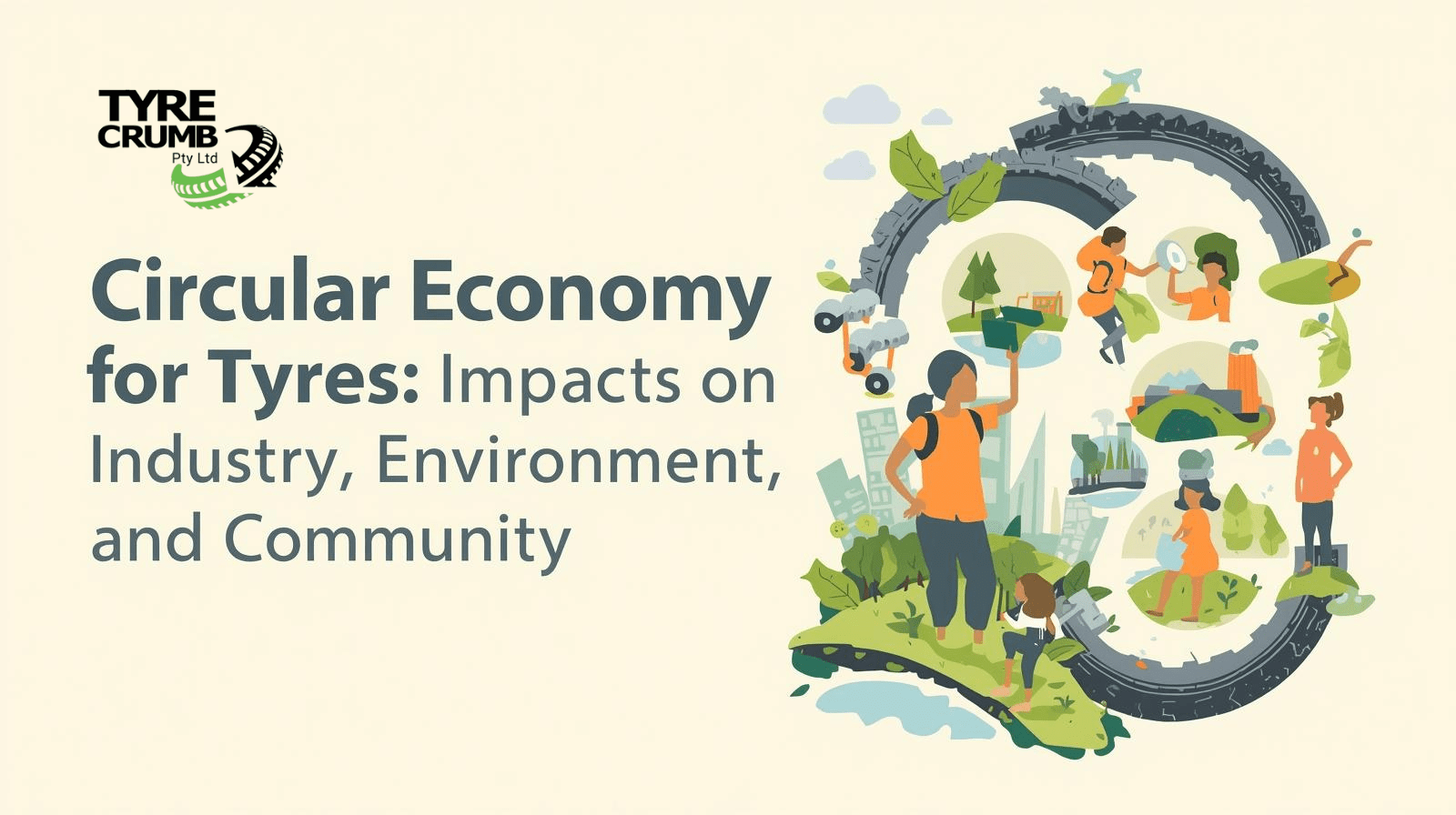
A circular economy for tyres is a structured system designed to recover, process, and reuse end-of-life tyres to reduce waste and maximise material value. This approach diverts tyres from landfill, lowers environmental risk, and enables recovered rubber and steel to be reused across industrial and infrastructure
Tyre recycling plays a critical role in managing the growing volume of end-of-life tyres generated each year. This blog explains how industrial recycling processes work at scale, how waste tyres are converted into reusable materials such as crumb rubber, steel, and textile fibres, and why these

Australia generates a substantial volume of end-of-life tyres each year, creating both an environmental challenge and an infrastructure opportunity. As stated by Tyre Stewardship Australia, approximately 537,000 tonnes of tyres reach end-of-life annually, placing increasing pressure on landfill and waste management systems. This challenge has accelerated
What is Tyre Recycling and Why is it important in Australia? Industry data states that Australia generates over 500,000 tonnes of end-of-life tyres each year, representing tens of millions of discarded tyres removed from vehicles nationwide. While some are recovered, a significant portion still ends up
Australia generates more than 500,000 tonnes of end-of-life tyres every year, creating environmental, logistical, and regulatory challenges. Without effective recovery systems, waste tyres pose risks such as landfill pressure, illegal dumping, and fire hazards. As sustainability targets tighten and waste diversion becomes a national priority, tyre
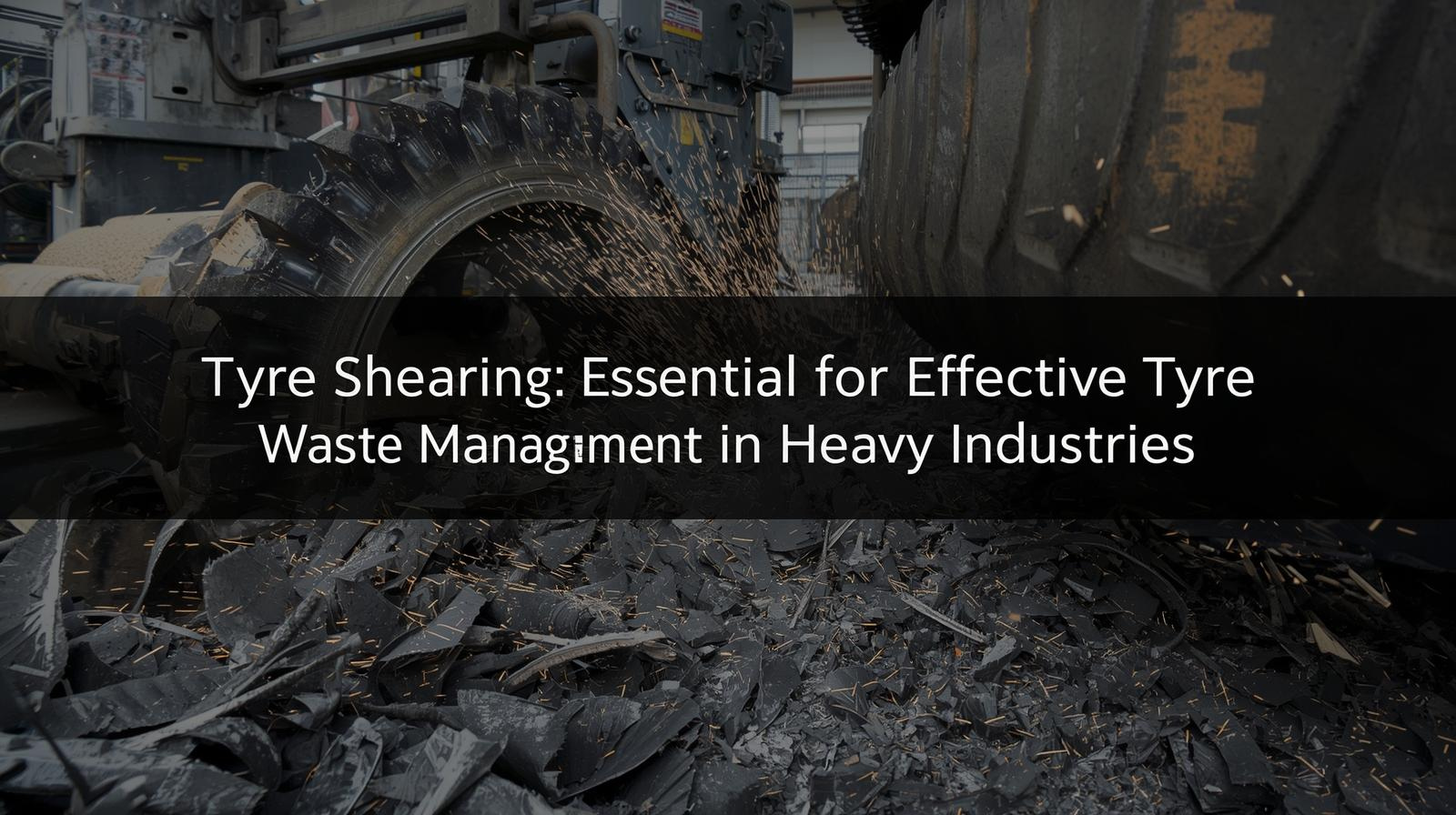
Heavy industries across Australia produce significant volumes of end-of-life tyres that require safe, compliant, and efficient processing. Mining, construction, agriculture, and logistics operations rely on structured waste management systems to reduce environmental risk and meet regulatory obligations. Effective tyre recycling has become a key operational requirement
End-of-life tyres (ELTs) are a growing environmental challenge due to their structural durability, steel reinforcement, and resistance to degradation. When disposed of in landfills, tyres occupy unnecessary space, trap air, create fire risks, and collect water that becomes a breeding ground for pests. As per the
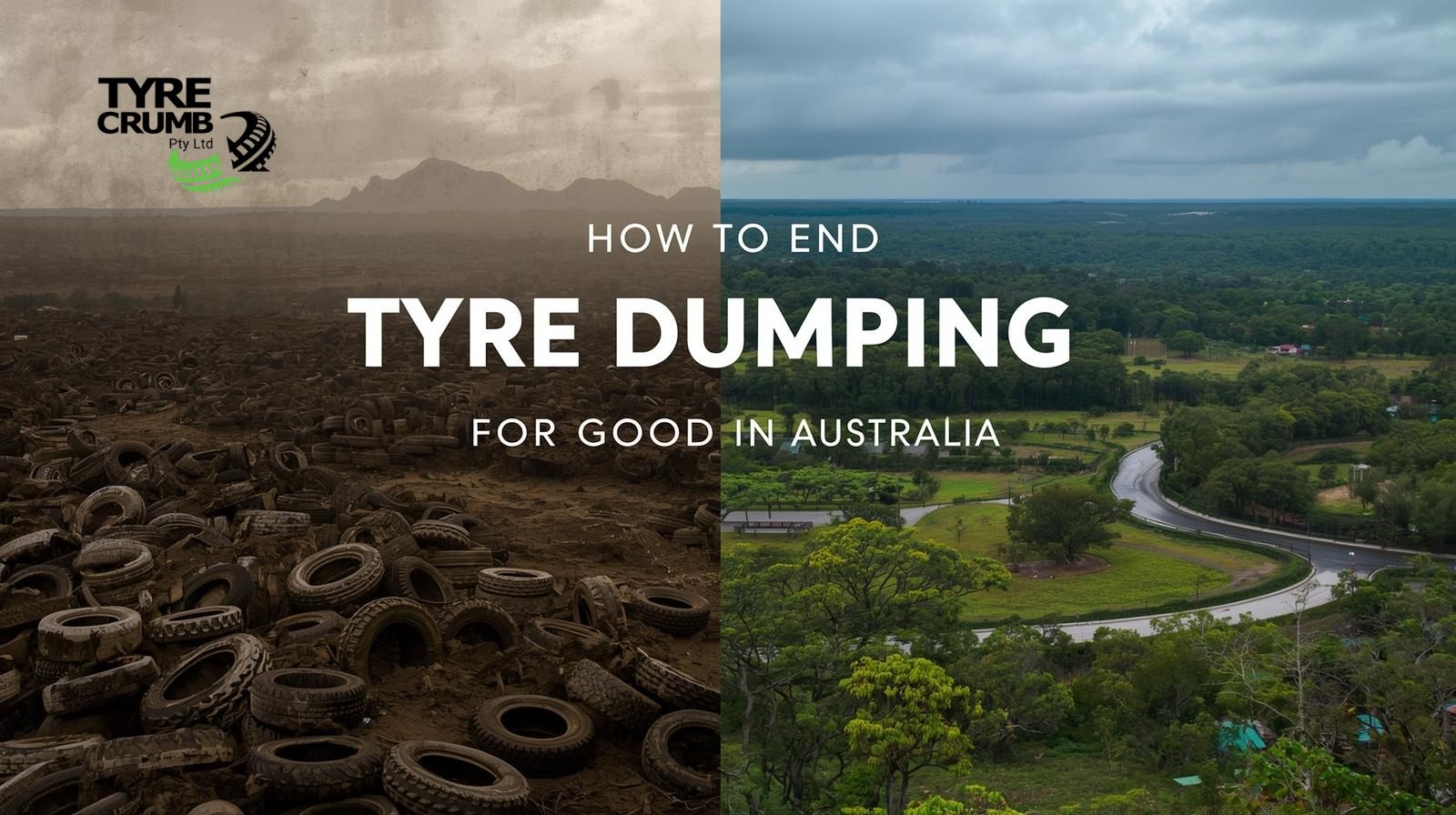
“Over 50 million tyres reach end-of-life in Australia every year, yet a significant number are illegally dumped, creating serious environmental, health, and safety risks. Illegal tyre dumping not only threatens soil and waterways but also poses fire hazards and logistical challenges for waste management authorities. The






Recent Comments