
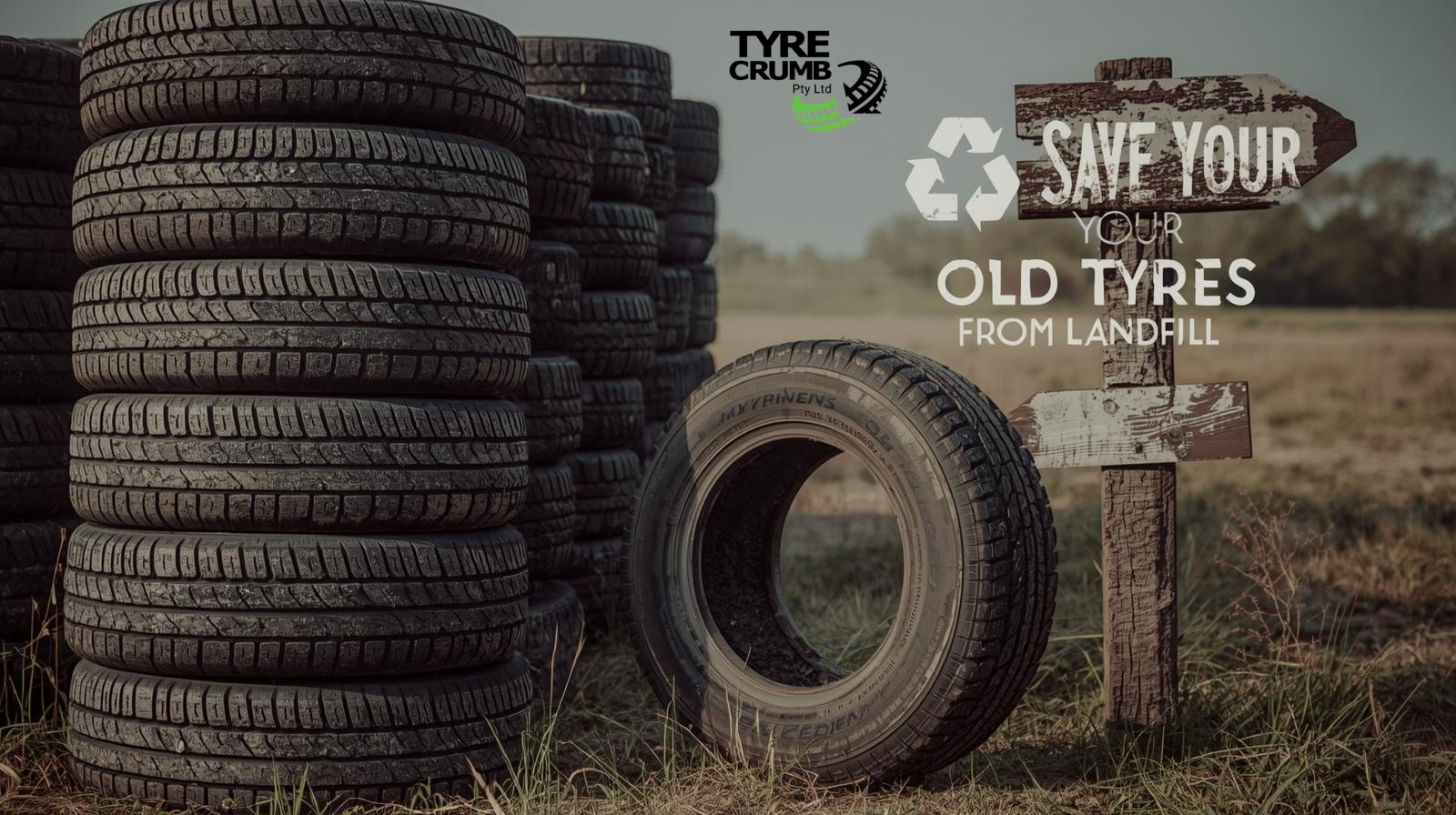
End-of-life tyres (ELTs) are a growing environmental challenge due to their structural durability, steel reinforcement, and resistance to degradation. When disposed of in landfills, tyres occupy unnecessary space, trap air, create fire risks, and collect water that becomes a breeding ground for pests.
As per the TIP project, it is globally estimated that 1 billion tyres reach the end of their useful life each year, contributing to approximately 25 million t of tyre waste annually worldwide, and there are about 4 billion end-of-life tyres already accumulated in landfills and stockpiles.
Mechanical recycling provides a controlled method of recovering rubber and steel while transforming discarded tyres into functional products used in modern infrastructure.
Tyre Crumb operates a structured, high-efficiency processing system that converts ELTs into stable raw materials, including crumb rubber suitable for manufacturing industrial flooring, acoustic systems, and a wide variety of commercial products.
1. Highly Stable Material Chemistry
Tyre rubber undergoes vulcanisation, resulting in a strong cross-linked molecular network. This makes the material resistant to:
Because of this, ELTs remain intact for decades if landfilled.
In Australia alone, about 537,000 t of end-of-life tyres were generated in 2023–24, yet only around 26 % of these tyres were reused or recycled into new products, demonstrating a gap between waste generation and circular outcomes.
2. Inefficient Landfill Behaviour
The circular geometry of a tyre creates large internal voids. In landfills, this leads to:
Over time, buoyancy forces may cause tyres to rise toward the surface, damaging landfill cover layers.
3. Stormwater Retention and Vector Hazards
Tyres naturally collect rainwater, providing habitat for mosquitoes and other pests. This makes the unmanaged storage of ELTs a potential public-health concern.
4. High Fire Load and Heat Retention
Tyres retain heat and can ignite when stockpiled in large volumes. Historical tyre stockpiles illustrate the severity of this hazard: fires involving millions of tyres have burned for extended periods — in some cases, over several days or weeks — and released toxic smoke that is difficult to control.
Recycling eliminates these hazards by breaking down structural components and reducing fire load.
Tyre Crumb uses an engineered multi-stage recovery system designed to extract clean rubber and steel with consistent granule specifications.
1. Regulated Collection and Documentation
ELTs are collected from workshops, fleet operators, and commercial tyre suppliers. A traceable chain-of-responsibility process ensures compliance with regulatory requirements for waste transport and handling.
2. Primary Size Reduction
Whole tyres are processed through high-torque shredders. This reduces each tyre into manageable sections ranging from 50 to 300 mm, increasing material handling efficiency for subsequent stages.
3. Granulation and Secondary Reduction
The shredded material enters rasps and granulators that:
This prepares the material for precise classification into usable rubber fractions.
4. Magnetic Steel Separation
A multi-stage magnetic system extracts steel components with high accuracy. The recovered metal is suitable for reprocessing as a secondary raw material in steel manufacturing.
5. Fibre Extraction
Textile fibres are removed through air-classification and vacuum systems. Clean rubber is essential for producing specialised products such as sports surfaces, industrial flooring, and engineered underlays.
6. Granule Classification and Sizing
Rubber is sorted into size-specific categories, including:
These fractions provide the basis for products such as rubber crumb flooring, acoustic materials, and outdoor surfacing systems.
7. Quality Control, Dedusting, and Packaging
Final processing removes residual dust and fibre. Rubber is then packaged in bulk bags, sealed sacks, or supplied in loose volume depending on project requirements.
1. Acoustic and Vibration Control Systems
One of the most effective uses of recycled rubber is the production of rubber acoustic mats, which provide:
These mats are used beneath flooring systems in residential and commercial buildings where impact noise must be controlled. See the full product range on the Products page.
2. Safety Surfaces for Community Play Areas
Fine rubber granules are used to manufacture playground rubber mats that support impact‑attenuation requirements. These surfaces offer:
This makes them suitable for playgrounds, early-learning facilities, and public recreation areas.
3. Driveway and Exterior Surface Solutions
Recycled rubber can be integrated into flexible external surface systems, providing engineers and builders with alternatives for surfaces for driveways. Benefits include:
For smaller projects or temporary installations, a rubber driveway mat offers added surface protection and impact resistance.
4. Indoor and Industrial Flooring
Recycled rubber is widely used in heavy-duty flooring systems. Products such as rubber crumb flooring are valued for:
This makes the material suitable for workshops, gyms, industrial facilities, and sports centres. Many of these systems also incorporate recycled rubber mats for enhanced surface stability and comfort.
The transformation of ELTs into usable products yields measurable benefits:
By converting tyres into long-lasting materials such as crumb rubber, acoustic products, and playground surfaces, recycling provides ongoing value to both industry and the environment.
Businesses, councils, and fleet operators can help minimise tyre waste by:
These measures help ensure that tyres are recovered rather than landfilled.
Where can recycled tyre rubber be applied?
Recycled tyre materials are versatile and are commonly used in rubber acoustic mats for commercial and residential applications.
Is recycled rubber suitable for playgrounds?
Yes. Playground rubber mats are specifically designed to provide safety, cushioning, and durability for children’s play areas.
How does recycled rubber perform in outdoor conditions?
Outdoor installations, such as surfaces for driveways, benefit from recycled rubber’s resistance to UV exposure, moisture, and temperature fluctuations.
Why use recycled rubber instead of virgin materials?
Using crumb rubber reduces environmental impact, keeps tyres out of landfills, and provides long-lasting performance for multiple applications.
Tyre Crumb offers a comprehensive ELT recycling service, supplying high-quality raw materials such as crumb rubber, acoustic products, playground surfaces, and engineered rubber systems for a variety of industries.
Ready to recycle your end-of-life tyres responsibly? Contact Tyre Crumb today to discuss collections, products, and application solutions — take the next step toward sustainable tyre management.






Comments are closed